Explore the selection of homes available in Southwell and beyond.



Buyers |
5 Mins Read
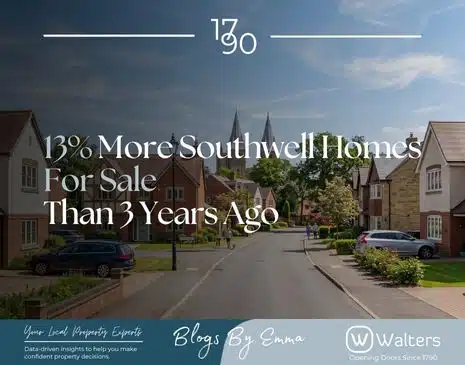
Southwell Property Market Report: Homes for Sale Up 13.6%...
Posted on 28th September 2026
The Southwell residential property market has shifted over the past three years. Across the NG25 postcode sector, prospective buyers now ...

Property News |
4 Mins Read
Why the First 8 Weeks Could Make or Break Your Southwell ...
Posted on 2nd September 2026
The average Southwell home takes 97 days to sell—significantly longer than the UK national average of 75 days. Yet national housing data

Property News |
4 Mins Read
Are Southwell Homeowners Taking a 6.1% Hit on Asking Pric...
Posted on 11th August 2026
If you are planning to sell a home in Southwell (NG25), recent market data highlights a clear variance between what sellers hope
Property News |
4 Mins Read
Southwell Property Market: How Q2 2026 Compares to the UK...
Posted on 17th July 2026
Sensationalist headlines frequently paint a bleak picture of the UK housing market, leaving local property owners fearing an impending cr...

Property News |
5 Mins Read
House Valuation in Southwell: Why Algorithms Fail Local S...
Posted on 8th July 2026
If you’re thinking about selling a house in Southwell, your first instinct might be to use an online instant valuation tool. You
Property News |
4 Mins Read
Southwell Property Market: Q2 2026 Analysis
Posted on 8th June 2026
# Southwell's Property Market Is Outperforming — Here's What the Numbers Actually Show Sold prices up 15% year-on-year. Detached house t...